

Table of Contents
Art of Intentions with Maya Feller: A Culturally Rooted Approach to Sustainable Nutrition
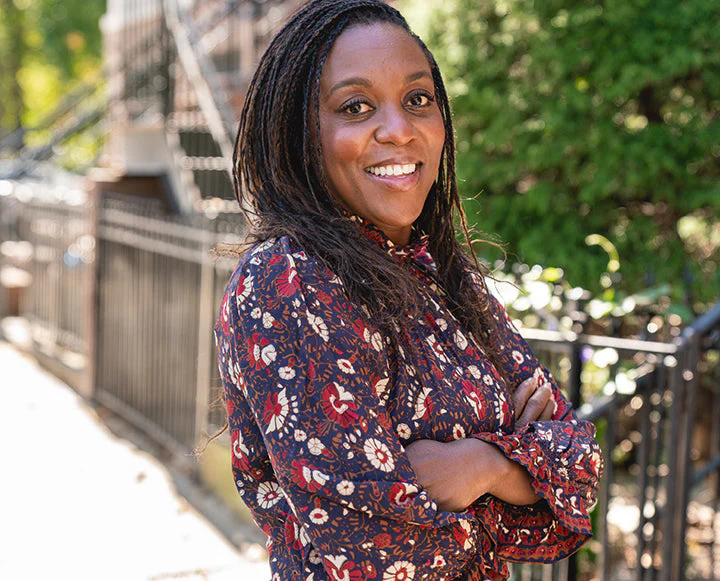

By Maya Feller, MS, RD, CDN
May 17th, 2026
This is a quick summary of my conversation for Art of Intentions. If you’d like to dive into the full interview, you can read it here.
Art of Intentions with Maya Feller, MS, RD, CDN
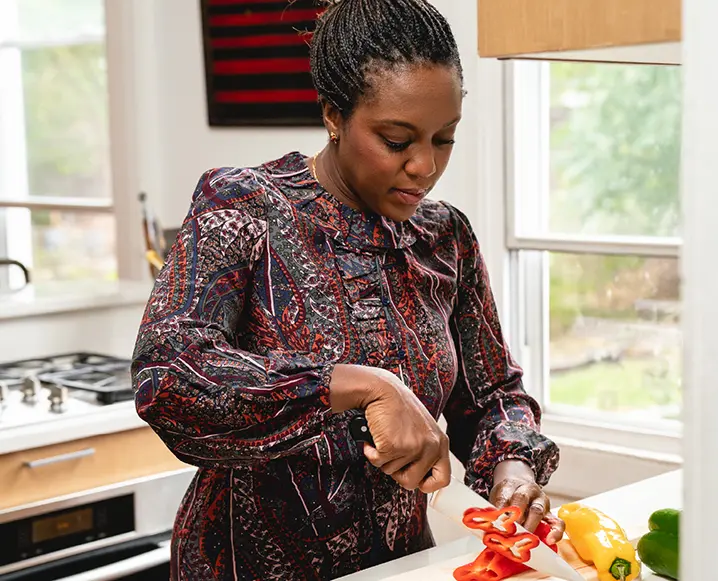
In this conversation, Maya Feller shares her perspective on culturally humble nutrition, the pressures of “perfect eating,” and why sustainable well-being is rooted in consistency rather than restriction. Drawing from both clinical practice and personal experience, she discusses how food connects to identity, memory, culture, and long-term health.
Key Takeaways
Here are a few key takeaways from the interview:
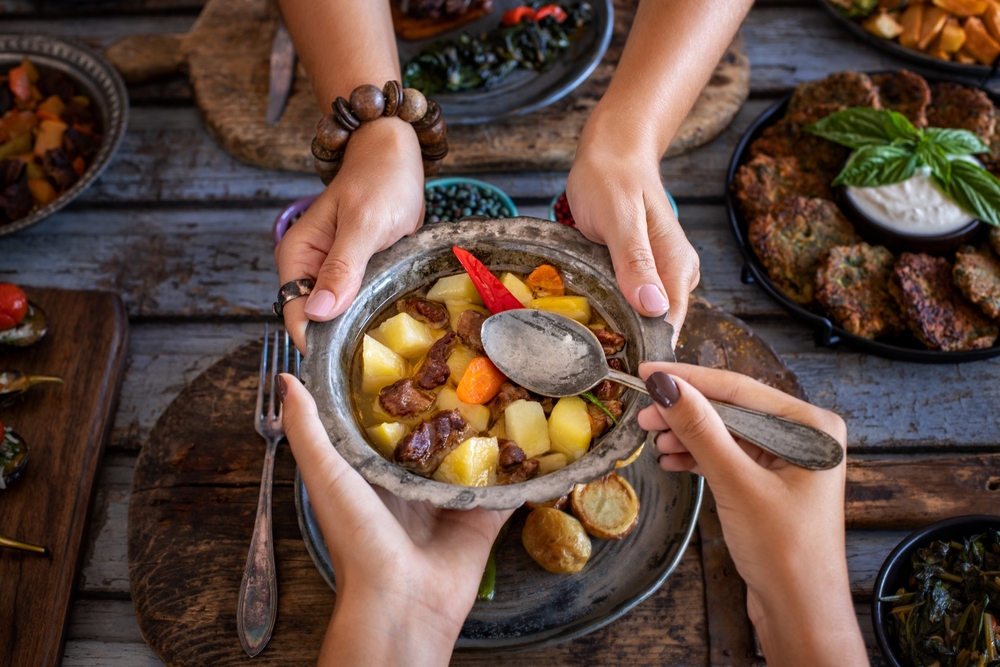
- Food is deeply connected to culture, belonging, and lived experience. Maya explains why honoring heritage foods and food traditions is an important part of creating a sustainable pattern of eating.
- Restriction is often mistaken for wellness. Maya challenges the idea that “clean eating” equals health and encourages people to move away from fear-based nutrition messaging.
- Balanced meals matter more than perfection. Foundational habits like eating regularly, staying hydrated, getting enough sleep, intentional movement, and building meals with carbohydrates, fats, and protein are often overlooked.
- Carbohydrates are not the enemy. Maya emphasizes that carbs play an essential role in fueling the body and that enjoying foods like cake or cookies in moderation does not define someone’s health.
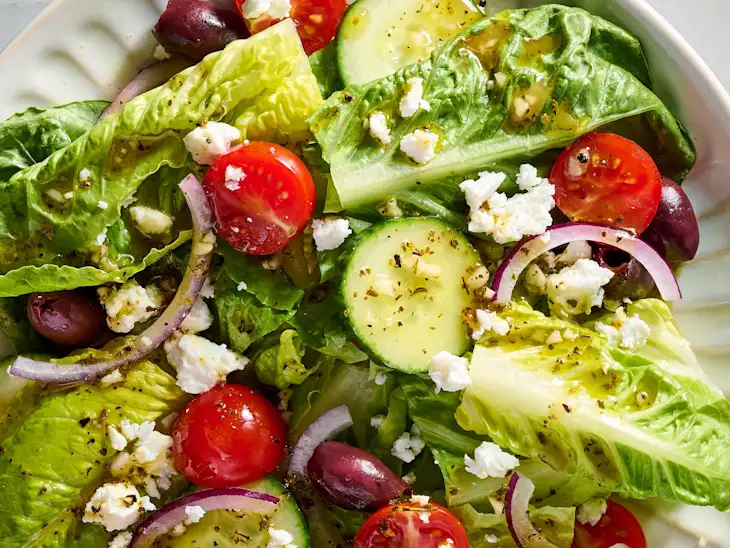
- Instead of focusing on what to remove, think about what you can add. More vegetables, beans, legumes, flavor, and variety can help support long-term health without disconnecting from foods you enjoy.
- Wellness should be inclusive, accessible, and culturally relevant. Maya shares her hopes for a future where nutrition conversations center affordability, sustainability, food access, and respect for diverse foodways.
The interview is a reminder that nourishment is about much more than nutrients alone. It’s about community, pleasure, culture, and building habits that support well-being over time.
That’s the highlight — but there’s much more in the full conversation. If you’d like to read the complete interview on Cymbiotika.