





Table of Contents
Traditional Comfort Foods Are Healthier Than You Think: A Global Look at Cultural Nutrition
By Ute Zimmermann
March 8th, 2026
Traditional comfort foods from cultures around the world are often misunderstood as unhealthy or overly indulgent. However, many heritage dishes—such as lentil curries, fermented teff bread, and rice and beans—contain nutrients that support cardiometabolic health, including fiber, plant protein, and anti-inflammatory compounds. Understanding the nutritional value of cultural foods can help people embrace traditions while supporting heart health, blood sugar balance, and overall well-being.
Food, specifically what we eat and how we eat, is a major part of our identity. At Maya Feller Nutrition, we work from the knowledge that beloved and comfort foods should be included in everyone’s pattern of eating.
Our world’s cultures, traditions, and values shape who we are. From music, clothing, language, and especially food, our culture and experiences bring us comfort and serenity, allowing us to feel closer to home and our loved ones. These connections can elicit feelings of well-being and play a role in social interactions and psychological health.
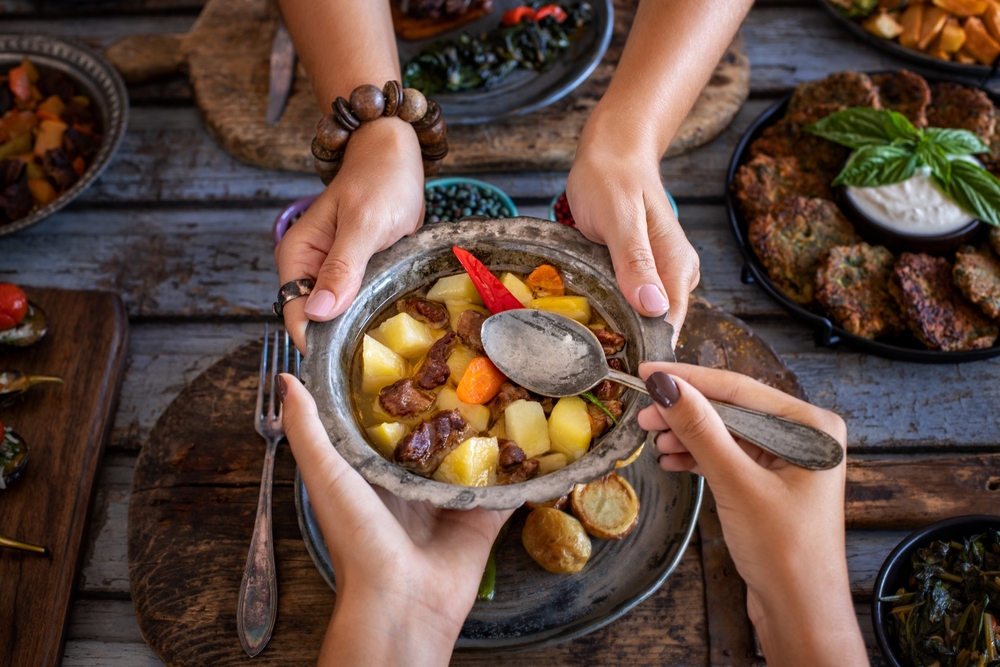
Common traditional foods, such as rice and fermented vegetables in Asian cultures, beans in Latin American cuisine, and sweet potatoes and teas in African cultures, have been staples for feeding communities for generations. These foods have been used as barter, as a means of communication, and even as currency—all while being passed down through families and communities.
Why Cultural Comfort Foods Are Often Misunderstood
Although nourishing to the soul, heritage foods are too often dismissed as “unhealthy” or “too heavy.” In reality, many traditional dishes deliver powerful nutrients that support cardiometabolic health.
These meals often combine whole ingredients such as legumes, grains, herbs, spices, and vegetables. Together, these foods provide fiber, plant protein, essential minerals, and bioactive compounds that support heart health, blood sugar balance, and overall metabolic function.
Rather than being viewed as foods to avoid, many traditional meals should be recognized as nutrient-rich dietary patterns that have supported communities for centuries.
The Nutritional Benefits of Traditional Diets Around the World
Southeast Asian Curries and Anti-Inflammatory Spices
Take Southeast Asian vegetable and lentil curries as an example. These dishes are rich in turmeric, garlic, and coconut milk.
Turmeric provides curcumin, an anti-inflammatory compound that supports endothelial function. Garlic contains alliin, which may help lower total and LDL cholesterol. Coconut contributes medium-chain triglycerides, which are metabolized more rapidly for energy than long-chain fats and may help reduce fat storage in the liver.
When paired with lentils, these meals also provide folate, magnesium, and soluble fiber—nutrients that may help lower blood pressure and bind cholesterol in the gut for excretion.
East African Teff and Fermented Foods for Blood Sugar Balance
In Eastern Africa, the traditional pairing of injera (fermented teff bread) with lentil or chickpea stews highlights the role of fermentation in improving mineral bioavailability.
Teff is a good source of iron, zinc, and resistant starch. Resistant starch helps stabilize blood sugar by slowing glucose absorption and reducing insulin spikes. When combined with legumes, the meal provides plant protein and soluble fiber, which increase satiety and may help lower the risk of Type 2 diabetes.
Caribbean Rice and Beans for Heart Health
In the Caribbean, meals such as rice and peas cooked in coconut milk with thyme and Scotch bonnet pepper are nutrient-dense rather than nutrient-poor.
Red kidney beans provide soluble fiber and potassium, nutrients that can help lower blood pressure and cholesterol. Capsaicin from Scotch bonnet pepper may support vascular dilation, while coconut milk contains lauric acid, which can raise HDL (“good”) cholesterol. Herbs such as thyme contribute antioxidants that help reduce oxidative stress associated with atherosclerosis.
If you’re looking for cultural representation in an excellent meal service, check out my partnership with Laroot World on my YouTube channel.
Across these traditions, the combination of complex carbohydrates, fiber, plant protein, minerals, and bioactive compounds helps regulate blood sugar, improve lipid profiles, and protect against hypertension.
Why Cultural Foods Matter for Health and Identity
Traditional foods are nutritious, readily available, and often cost-effective. Beyond their nutritional benefits, they provide a sense of comfort, safety, satiety, and emotional well-being.
These foods also preserve cultural identity, community traditions, and family history. Rather than demonizing heritage foods, we should celebrate them as powerful contributors to both physical health and cultural connection.
Traditional comfort foods are far more than nostalgic meals—they are nutrient-rich dietary patterns that have supported communities for generations. From fiber-rich legumes to fermented grains and antioxidant herbs and spices, many cultural dishes promote cardiometabolic health while nurturing identity, connection, and well-being.
This newsletter was written with support from Jayla Woods, M.S., edited by Katy Saintil, and medically reviewed by Maya Feller, MS, RD, CDN.