


Table of Contents
Sweet Fun, Smart Choices: A Parent’s Guide to Candy Season

By Maya Feller, MS, RD, CDN
October 25th, 2025
Candy doesn’t have to be spooky!
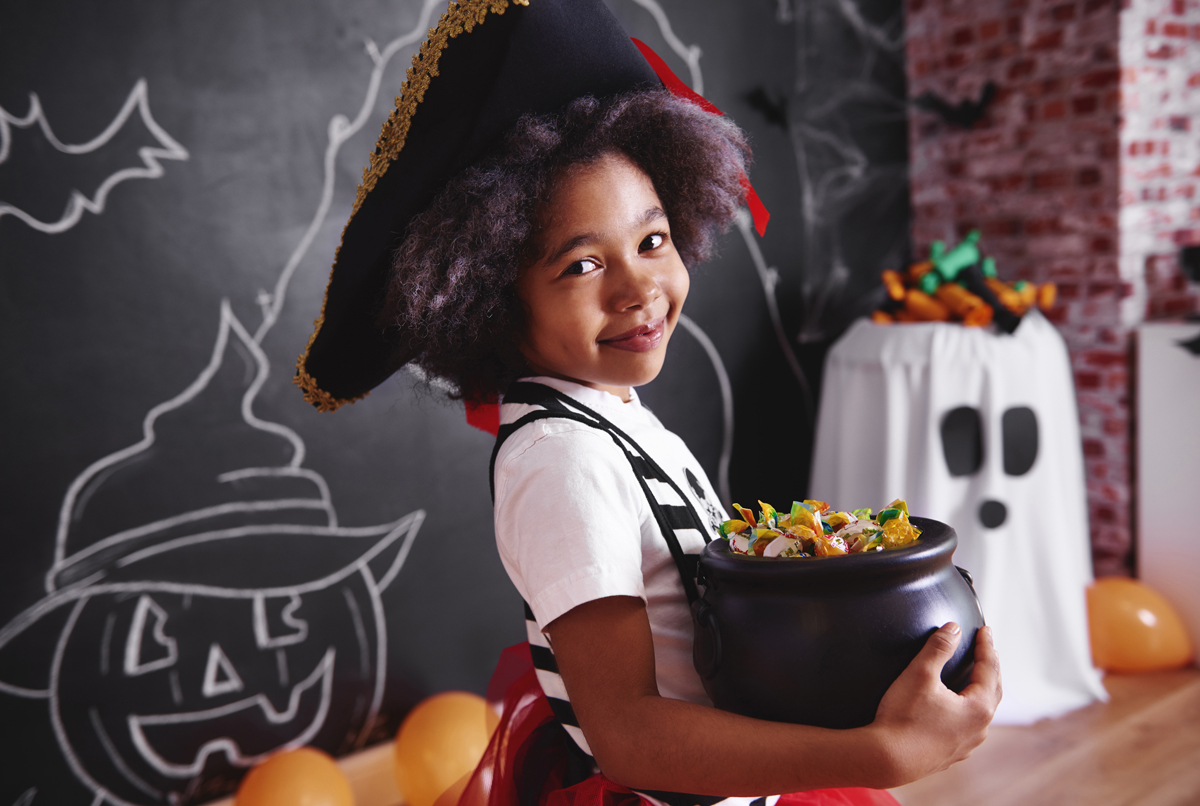
Halloween often feels like the unofficial start of the holiday season and the beginning of fall. October 31st isn’t just for kids; it can be a way for adults to rekindle that kid-like feeling: dressing up in costumes, enjoying a sweet treat, and building relationships within our communities. If you are in NYC, there is a HUGE parade in Lower Manhattan that draws large crowds. But when it comes to trick/trick-or-treating in your neighborhood, school, job or church, the amount of candy can get a bit overwhelming. We’ve come up with a few ideas to help you navigate the candy overload.
Planning and Preparation
Plan, plan, and plan some more. Offices and schools begin to set out candy bowls, taking candy from a once-in-a-while treat to a daily occurrence around Halloween. And after Halloween, many of us go directly into the holiday season full of giving, celebration, community, potlucks, and festive foods. October really marks the beginning of a celebratory time. I suggest you review our guide How to Eat Mindfully During the Holidays as you figure out your approach to the holiday season. We don’t encourage a restriction mindset; dig in!
Use this time to focus on what you can add to your plate and routine that will support your desired health outcomes. Instead of focusing on restriction, plan to aim for two concrete health-forward behaviors, such as adding more fiber to your daily diet and staying well-hydrated. Revise your grocery list based on your desired focus and prioritize regular meals that include vegetables, fruits, legumes, ancient grains, and a variety of proteins.
Pro Tip: Upcycle your Halloween candy bars! Add chopped chocolate bars to oatmeal, yogurt, or make your own trail mix with nuts and chocolate.
Enjoyment in Moderation
Nobody feels good after a dinner of assorted candies. To function optimally, our bodies need nutrients from foods that provide protein, fats, carbs, along with vitamins and minerals. Instead of banning or demonizing candy consumption or eating candy as a snack or meal replacement, use this time to reparent yourself and model moderation. You literally can have candy and live a balanced life.
In the Feller house, we sort the candy, keep the ones we think are good and donate the rest to our dentist for a prize. Then each of us chooses one piece of candy each day until it’s finished. This was a routine developed by my kids, and it has worked for us for years. Find what works for you with input from all, and stick with it.
Sort and Celebrate!
When the candy bags come in and start to pile, make it a fun family activity to combine all of the earnings and everyone picks out their favorites. This can turn into a great lesson on sharing with others while reducing the overwhelming pile.
End of the Day Refreshment
Whether you are a child or an adult, you likely have a favorite candy. We all experienced the “eat your dinner before your dessert” phenomenon. Setting a reasonable boundary of one or two pieces a day rather than mindless snacking throughout the day can help manage overall sugar intake, reduce blood sugar spikes, and teach children how to celebrate without guilt or excess.
Giving to Those in Need
Donating excess candy and food is a selfless and thoughtful way to help others celebrate who are away from loved ones or those in need of community celebration. Local shelters, food pantries, and community centers usually encourage donations throughout the holiday season. It’s a great way to model giving.
So as the holiday season approaches, try some of these suggestions to practice mindfulness and community-building while setting a healthy relationship and balance with the foods you enjoy! If you’re looking for more tips on developing lifelong habits with children, check out my IG post here!
This blog was written with support from Jayla Woods, M.S., edited by Katy Saintil and medically reviewed by Maya Feller MS, RD, CDN