





Table of Contents
If You Are Taking a GLP1, you need to partner with a RD!

By Maya Feller, MS, RD, CDN
October 25th, 2025
GLP-1 (glucagon-like peptide-1) medications have recently grown in popularity, being often mentioned in weight management and diabetes discussions. With their rise in discussion in the healthcare space, let’s deep dive into exactly what they are, their role in nutrition, and why you should be working with a Registered Dietitian.
Why, you may ask? These medications drastically change the way you interact with food and have an impact on physiological changes in your body. Working closely with a qualified provider who understands food and who will take time to understand your body’s needs and responses can improve your experience and outcomes in the short and long term.
A Quick History
GLP-1s are hormones naturally made by our gut, and they regulate blood sugar and appetite. Although highly popular now, the first GLP-1-based medication named Exenatide (Byetta) was approved by the FDA in 2005 to treat type 2 diabetes by improving insulin response. As years passed and additional variations hit the market, GLP-1s, like semaglutide (Ozempic), have garnered even more attention for their weight loss effects.
What Are They, Who Are They For, and How Do They Work?
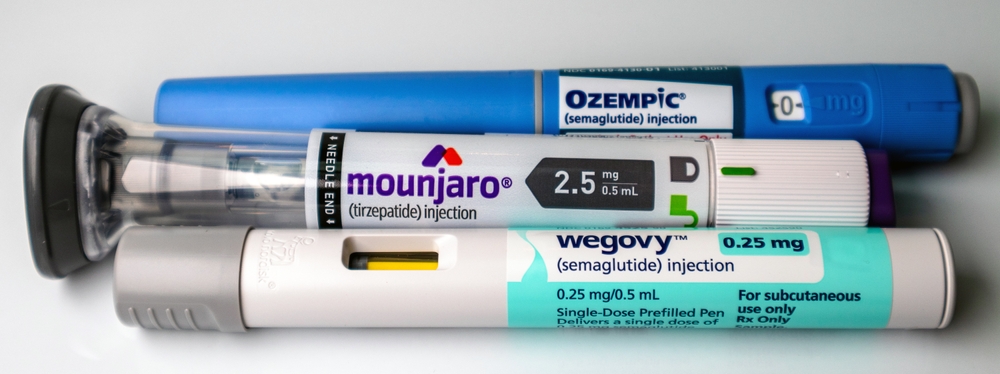
GLP-1 receptor agonist medications mimic the hormones naturally found in our gut to delay gastric emptying (slow down the rate at which food moves through our digestive tract, which keeps us feeling fuller for more extended periods). They impact appetite (through neurological pathways) to reduce food intake and help regulate blood glucose levels, making them the first line of defence for people living with diabetes. Brands such as Ozempic, Mounjaro, Wegovy, Trulicity, and others are administered through daily or weekly injections for people with type 2 diabetes. They are gaining popularity globally as a non-surgical weight-loss option; however, they were not designed or intended for cosmetic or “spot” weight loss or short-term use. GLP-1 medications enhance the body’s natural insulin hormones to release when blood sugar is high. With this, the digestive system slows down and sends signals to the brain to promote fullness. This combination, through extensive research, supports more balanced blood sugar levels and reduces caloric intake.
Nutrition Areas of Concern
While GLP-1s are highly effective as a tool, they must be used in conjunction with a nutritionally sound and adequate plan. Taking a GPL-1 reduces appetite and overall intake; however, the body’s micronutrient needs do not change, and, in fact, protein needs increase to support the rapid weight loss that occurs. Working with a Registered Dietitian plays a significant role in ensuring adequate nutritional intake for avoiding gaps and even malnutrition. It can be challenging to consume enough when your body doesn’t crave food. Meanwhile, the intentionally reduced food intake may also lead to an unintentional major reduction in essential protein, fiber, and/or fluids. You might also need information that helps mitigate some misinformation; for example, here are some facts about fruits. An RD will also be able to share information about common side effects for you to be aware of. For example, some individuals taking GLP-1s report fatigue, muscle loss, and constipation. Partnering with an experienced, licensed nutrition professional to assist you in developing a personalized plan can help mitigate and even erase these conditions.
Supporting Tools to Increase Protein, Fiber, and Hydration
Protein, fiber, and hydration are the 3 main concerns for individuals on GLP-1 receptor agonist medications. We’ve listed some strategies with individualized guidance from your RD:
Increase Protein: Aim for 20-30 grams of protein per meal or snack from lean cuts of meats, fish, beans, tofu, Greek yogurt, or protein snack packs to support muscle maintenance and overall meal satiety.
Boost Fiber: Add fruits, vegetables, legumes, and whole grains to aid in digestion, support gut health and diversity, and prolong fullness to maintain blood sugar levels.
Prioritize Hydration: Slower digestion is an indicator of inadequate hydration. Carrying water throughout the day, setting reminders to drink water, and including hydrating foods like watermelon, cucumbers, oranges, soups, and broths provides a mindless source of water-rich hydration, carbs, and even some protein.
GLP-1s are an emerging and powerful tool, but work alongside thoughtful, individualized, and proper nutrition. Partner up to ensure that your overall health, not just weight, is fully supported for your general wellness and longevity.
This blog was written with support from Jayla Woods, M.S., edited by Katy Saintil and medically reviewed by Maya Feller MS, RD, CDN